
You bathed the dog, vacuumed the living room, maybe even sprayed the carpet, and two weeks later the fleas are back. That pattern frustrates a lot of Birmingham pet owners, and it usually doesn’t mean the effort failed. It means most of the fleas in your home weren’t adults yet. The biting fleas you see are only one stage of a four-stage life cycle, and the other three are hiding in carpet, cushions, and pet bedding. This guide explains the flea life cycle, the signs of fleas in the house, why fleas keep coming back after treatment, and what it takes to break the cycle. It is general homeowner information, not an inspection of your home.
The Short Answer
Fleas keep coming back because a treatment that kills adults doesn’t stop the next wave:
- Eggs fall off your pet and collect where it sleeps and rests.
- Larvae hide deep in carpet and cracks, away from light, feeding on flea droppings.
- Pupae sit inside silk cocoons that sprays don’t easily reach, waiting for a host to walk by.
- New adults keep emerging for a couple of weeks after a treatment, so some fleas showing up afterward is expected.
Lasting fleas in house treatment works on all four stages at once, covering the house and, when needed, the yard, with steady vacuuming and a planned follow-up.
Signs of Fleas in the House
Adult fleas are small, no more than about 1/8 inch long, reddish brown, and wingless. Their bodies are flattened from side to side, so they look like they are walking on edge and slip easily through fur and carpet fibers. Common signs of fleas include:
- A pet that keeps scratching, biting, or chewing at its coat.
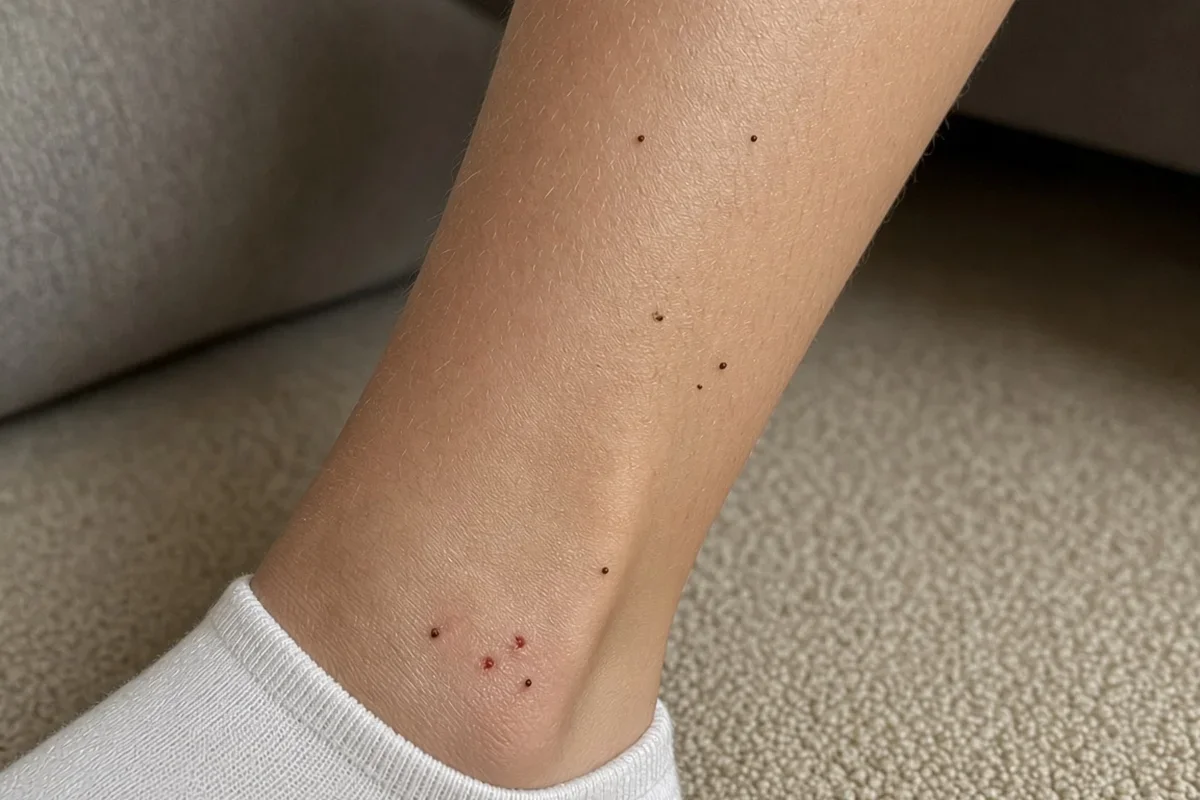
- Bites on people, usually on the ankles and lower legs. University of California entomologists describe flea bites as a small red spot with a red halo that itches, sometimes for several days.
- Tiny hopping insects on carpet, rugs, or pet bedding.
- Flea dirt, dark, pepper-like specks of dried blood that adult fleas leave behind. It collects on pets and wherever they rest.
Not sure? Walk slowly through the rooms where your pet spends time while wearing white socks pulled up to your knees. Fleas that jump on are easy to spot against the white. If you have no pets and still find fleas, our guide to fleas in a house with no pets covers the usual sources.
The Flea Life Cycle: Eggs, Larvae, Pupae and Adults
The flea you are most likely dealing with is the cat flea. Despite the name, it is the common flea on both cats and dogs, and it bites people too. Mississippi State University Extension’s guide to controlling fleas on your pet, in your house, and in your yard makes a point that changes how you look at the problem: in an established infestation, the eggs, larvae, and pupae far outnumber the adults. You won’t control fleas until you control those immature stages.
Eggs
Adult fleas live, feed, and mate on the animal. The University of California’s flea Pest Notes say a female lays about 20 to 50 eggs a day. The eggs are tiny, pearly white, and not sticky, so they roll off your pet onto bedding, carpet, and furniture. That’s why the heaviest flea activity is almost always where a pet sleeps or rests. The eggs hatch in a few days.
Larvae
Flea larvae are small, pale, and wormlike, with no legs or eyes. They avoid light and crawl down into carpet fibers, under cushions, and into cracks along baseboards. They feed on flea dirt, the dried blood adult fleas pass while feeding. UC IPM notes that larvae need humid, protected spots to survive, and that they rarely survive in sunny or high-traffic areas. After roughly one to three weeks, each larva spins a cocoon.
Pupae in the cocoon
This is the stage behind most “they came back” stories. The silk cocoon picks up carpet fibers, pet hair, and debris, which camouflages it. Inside, the flea develops into an adult and can then wait. Mississippi State Extension explains that fully formed fleas can sense vibration and carbon dioxide from a passing host and may delay coming out for weeks or months when no host is around. UC IPM adds that in cool conditions a developed flea can stay in its cocoon for up to 12 months, and that warmth and pressure, such as footsteps or vacuuming, trigger it to emerge.
Adults
A newly emerged flea jumps onto the nearest host, starts feeding, and soon begins laying eggs of its own. UC IPM notes that at normal room temperatures the whole cycle, egg to adult, can take about 18 days. Fleas can be found on pets all year, and numbers tend to climb sharply in spring and early summer when conditions favor the larvae.
Why Fleas Keep Coming Back After Treatment
Put those stages together and the pattern makes sense. Common reasons fleas return:
- The cocoons survived. UC IPM notes that indoor sprays don’t kill pupae, so fleas keep emerging for about two weeks after a treatment. Those new adults are a sign the cycle is draining out, not a sign the treatment failed.
- Only the adults were treated. Products without an insect growth regulator often miss the larvae at the base of carpet fibers. An insect growth regulator, or IGR, keeps eggs and larvae from developing into biting adults.
- Adult fleas on a pet keep laying eggs. As long as one dog or cat in the house is carrying fleas, new eggs keep falling into the carpet and bedding.
- The cleaning stopped too soon. Mississippi State Extension puts it plainly: cleaning and vacuuming are as important as spraying.
- The source is outside. Fleas build up in shaded, humid spots in the yard where pets rest, and they can also come from stray cats or wildlife. Treating the house alone won’t stop pets from bringing new fleas back in.
- The house sat empty. Cocoons left behind by a previous owner’s pets can hatch in a wave when a new family moves in and starts walking through the rooms. Our move-in pest checklist covers what to look for in a home that was recently vacant.
How to Get Rid of Fleas: Breaking the Cycle
Extension guidance for getting rid of fleas comes down to treating every stage at the same time and sticking with it for several weeks.
Vacuum like it’s part of the treatment
Vacuuming does more than tidy up. It removes eggs, larvae, and flea dirt, and the vibration coaxes waiting fleas out of their cocoons so they meet the treatment sooner. UC IPM recommends vacuuming floors, rugs, carpet, upholstered furniture, and crevices around baseboards daily or every other day during an infestation. Focus on:
- Pet beds and the floor around them
- Under furniture, beds, and sofa cushions
- Room edges and baseboards
- Furniture your pet naps on
Empty the canister or seal and toss the bag in an outside trash can when you finish.
Wash what you can
Launder pet bedding, throw rugs, and blankets your pet uses in hot, soapy water at least once a week, as long as the fabric allows it.
Plan for the follow-up
Expect some fleas for a couple of weeks after a treatment. If you are treating the house on your own, UC IPM advises vacuuming instead of reapplying pesticides for about two weeks, since sprays don’t reach the cocoons. In that window, keep vacuuming rather than reapplying store-bought sprays or setting off foggers. If adult fleas are still turning up after several weeks of steady cleaning, that’s the point to bring in a professional.
How Red Mountain Pest and Termite Control Can Help
Red Mountain has served Birmingham homeowners since 2013. We are licensed, insured, and locally owned. When fleas are established inside the home, we offer an indoor flea service that is separate from our outdoor flea and tick treatment. A technician applies an adulticide to kill adult fleas and an insect growth regulator that stops eggs and larvae from maturing. It is a two-cycle program with two visits: the first treatment, then a follow-up 7 to 10 days later to catch fleas that hatched afterward. Results can’t be fully guaranteed, because some infestations take significantly more visits. Your part still matters. Keep vacuuming between visits.
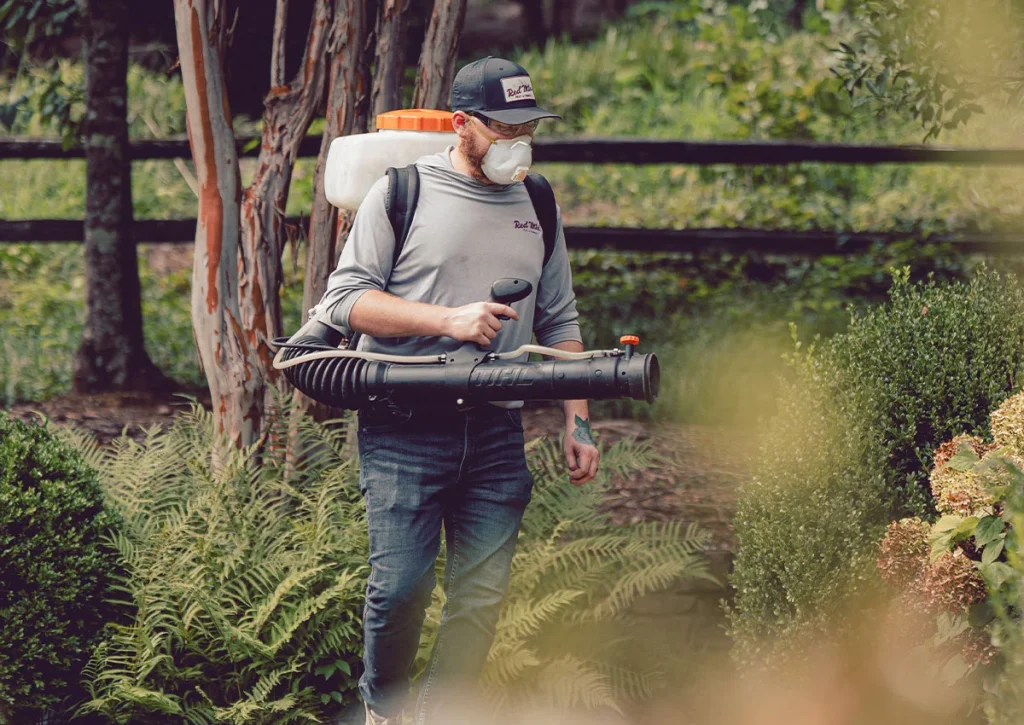
If the fleas are coming from the yard, our flea and tick treatment targets the shaded, grassy spots where fleas and ticks hide. It can be booked on its own, or added to your mosquito service. The yard treatment usually takes two visits, but sometimes more, and results can’t be fully guaranteed. If mice or rats are nesting in or around the house, our rodent control team can address that piece. You can compare year-round options, including the 365 Bundle, on our service plans page. We will confirm pricing and exactly what is included when you call.
Whether you live in Mountain Brook, Homewood, Vestavia Hills, or elsewhere around Birmingham, if fleas keep coming back, call Red Mountain Pest and Termite Control at (205) 637-3260 or request a free quote. Tell us whether you have pets, where you are seeing fleas or bites, and what you have tried so far, and we will help you figure out the next step.
Frequently Asked Questions
Why do I still see fleas after treatment?
Most likely, new adults are coming out of cocoons that the treatment couldn’t reach. Fleas often keep emerging for about two weeks after a treatment. Keep vacuuming. If you still see adults after several weeks, call us.
How long does it take to get rid of fleas in the house?
Plan on several weeks, not one day. At room temperature the life cycle can run about 18 days, and fleas can wait in their cocoons much longer, so it takes steady vacuuming and a follow-up to clear every stage.
What are the first signs of fleas?
A pet that scratches more than usual, itchy bites on your ankles and lower legs, tiny dark insects that hop, and dark, pepper-like flea dirt where your pet sleeps.
Can fleas live in carpet without pets?
The immature stages can. Eggs, larvae, and pupae develop in carpet and cracks, and adults can wait in their cocoons for months until someone walks by. Adult fleas need a host to feed on, though, which is why bites often start when people move into a recently vacant home.
Do I need to treat the yard for fleas?
Sometimes. If your pets rest in shaded, humid spots outside, or stray animals and wildlife visit your yard, fleas can build up there and keep coming back in. In those cases, a yard treatment can help, and it can be booked on its own.
Does vacuuming really help with fleas?
Yes. Vacuuming removes eggs, larvae, and flea dirt, and its vibration prompts fleas waiting in cocoons to emerge sooner, so they are exposed to treatment instead of hatching weeks later.