If you are weighing Sentricon vs. liquid termite treatment, you are really comparing two different strategies for the same underground problem. Termite baits put food laced with a slow-acting ingredient where foraging termites will find it and carry it home. Liquid termiticides treat the soil around and under a house so termites moving through that zone are stopped or killed. Both are recognized professional options for subterranean termites in Alabama. This guide explains how each works, its benefits and tradeoffs, and what to ask before you choose. It is educational, not a recommendation for your specific home.
Sentricon vs. Liquid Termite Treatment: The Short Answer
Neither method is the right answer for every house. Alabama Cooperative Extension’s guide to subterranean termite control products (ANR-1252) lists liquid termiticides and baiting systems as two of the main treatment programs and says their success depends on professional workmanship. Alabama Extension also calls baits and liquids the two most common treatments for subterranean termites, describing baits as an offensive strategy and liquids as a defensive one.
- Baits are less intrusive to install and are designed to reach the colony itself. Because they work through colony feeding, the result is not instant, and stations are monitored as part of the ongoing protection.
- Liquid treatments require the company to trench, and often rod or drill, around the foundation and apply a large volume of termiticide with precision. A gap in the treated zone can leave a way in, and product labels typically call for retreatment every 5 to 10 years, which means another large cost when the home is treated again.
How Termite Bait Systems Work
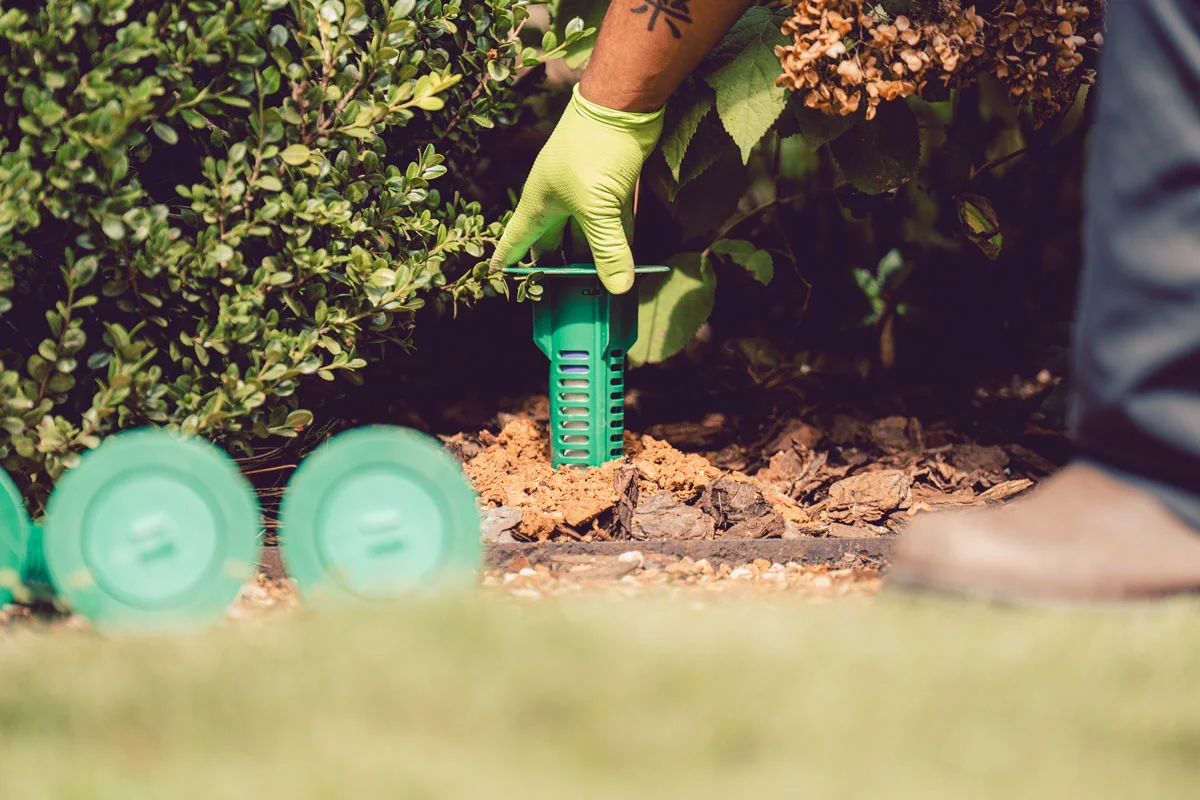
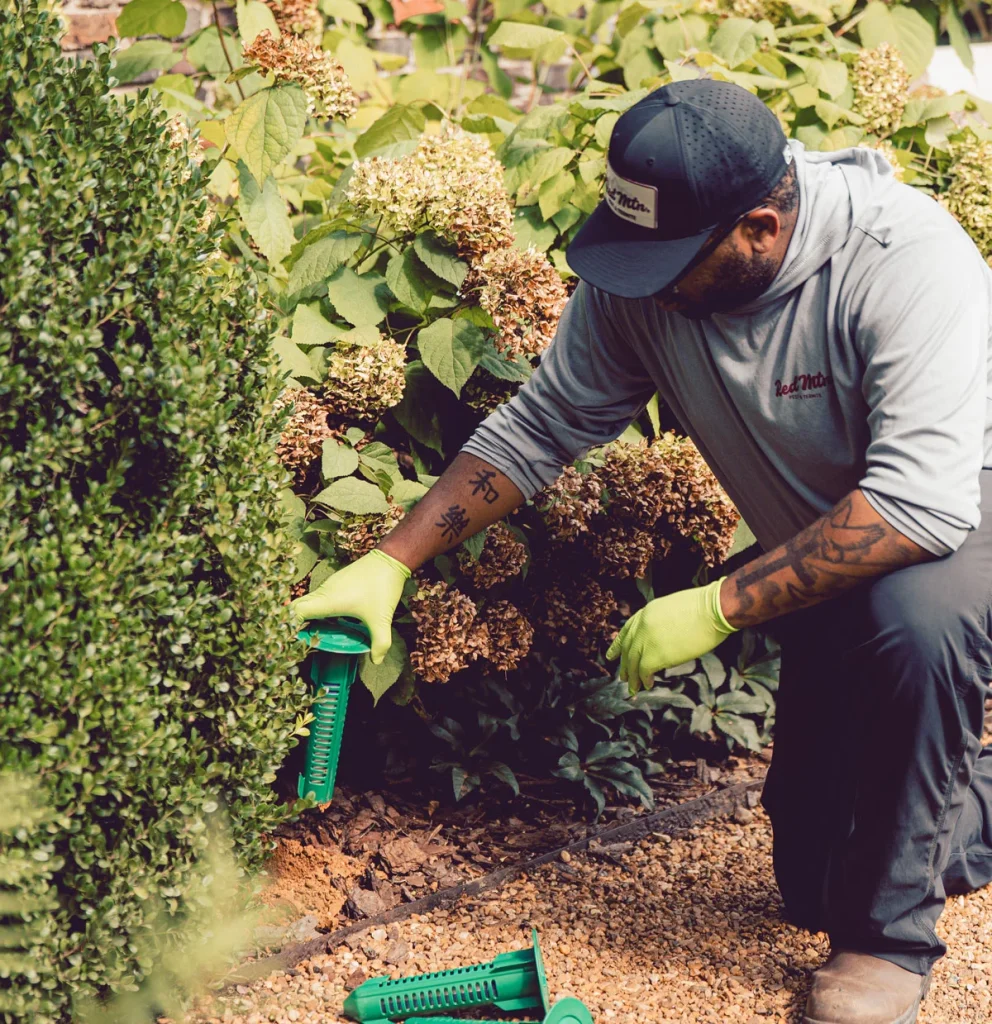
A bait system is built on termite behavior. Subterranean termites forage through the soil looking for wood and other cellulose. Plastic stations are set in the ground around the structure, and each holds a cellulose bait combined with a slow-acting termiticide, usually an insect growth regulator. According to ANR-1252, termites that feed on the bait are not killed right away, so they have time to recruit nestmates and pass the active ingredient through the colony, leading to the decline or possible elimination of the colony.
What is in a Sentricon station?
Sentricon is one of several bait systems Extension lists. ANR-1252 identifies its active ingredient as noviflumuron, an insect growth inhibitor, and the EPA’s termite guidance describes noviflumuron as an ingredient that disrupts termite growth. Termites must molt to grow, and the bait blocks that process. As workers share the bait, the colony declines until it can no longer sustain itself.
Monitoring is part of the treatment
Because no persistent pesticide is applied to the soil around the house, a bait program is an ongoing process of inspecting and servicing stations. Extension notes that long-term inspection tracks new or recovering colonies that move into a previously baited area, and that inspections should continue for as long as the service contract is in effect. Some systems start with monitoring stations and add bait once termites are found. Others keep active bait in every station all the time.
How Liquid Termite Treatments Work
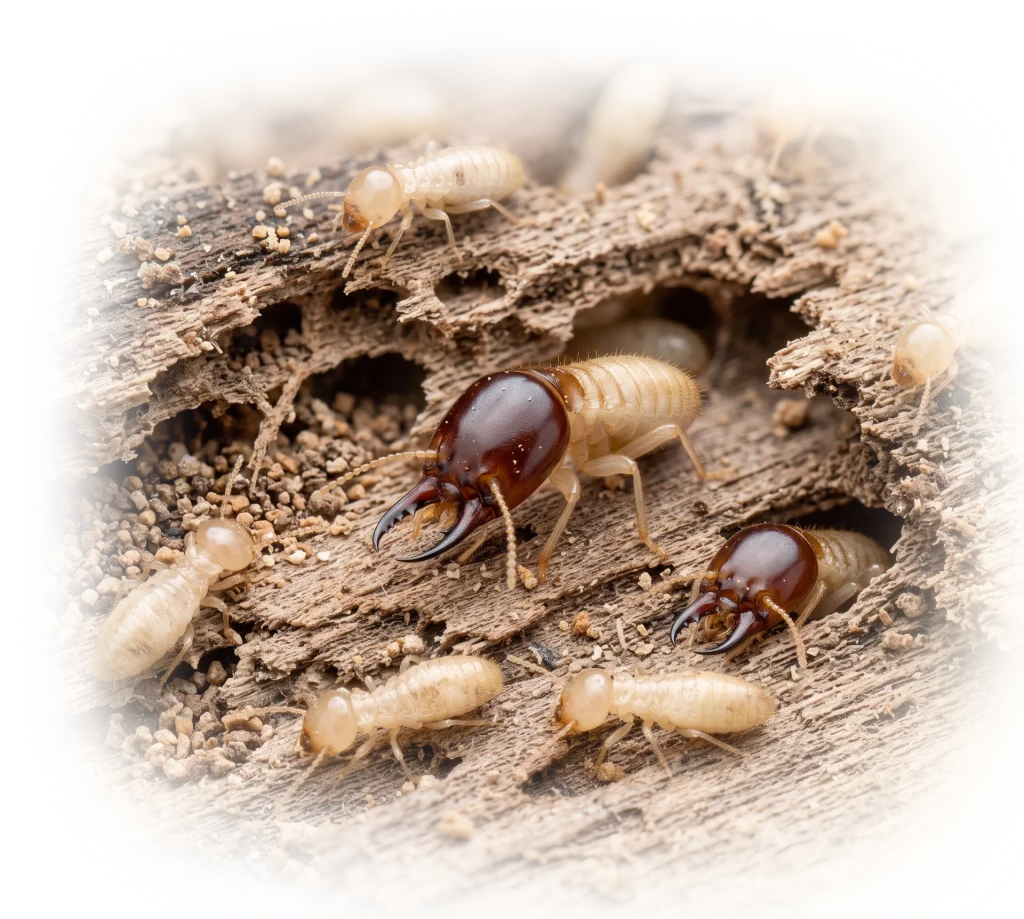
Soil-applied liquid treatments have been used for decades. The EPA calls the soil-applied barrier the most common technique for treating termite infestations, and it notes that termiticides used for barrier treatments must be specifically labeled for that use. A liquid treatment puts termiticide in the soil beneath and around a structure to keep termites from entering or to kill them as they pass through.
Repellent and non-repellent termiticides
Extension divides liquid termiticides into two groups:
- Repellent products, mostly synthetic pyrethroids, cause termites to turn away from treated soil. Termites are not killed unless they contact the barrier, so a uniform, continuous treated zone is critical. Any gap can give termites a way into the structure.
- Non-repellent products are ones termites cannot detect. Termites pick up the chemical as they tunnel through treated soil. Because these products act slowly, contaminated termites can transfer the chemical to colony mates through contact, grooming, and feeding.
How a liquid treatment is applied to an existing home
For a house that is already built, ANR-1252 describes digging a trench along the exterior foundation and soaking the soil with finished solution, or pushing the solution into the soil with a rod. Under slabs, patios, and concrete, applicators may drill holes at close intervals and inject termiticide. Crawl space homes may need treatment around piers and pipes as well. The method, rate, and product all come from the label, which applicators are required by law to follow.
That work has to be done with precision. The company must apply a large volume of termiticide and place it correctly; a skipped section or a gap in the treated zone can leave termites a way into the house. Product labels typically call for retreatment every 5 to 10 years, which means another large cost when the home is treated again.
Benefits and Tradeoffs Side by Side
Here is how the two approaches compare on the points that usually matter most.
| Consideration | Termite baits | Liquid treatments |
|---|---|---|
| How it works | Termites find and feed on bait, then share it with the colony | Treated soil stops or kills termites moving toward the structure |
| Installation | Stations set in the soil; no drilling or trenching | Trenching, and often rodding or drilling, around the foundation, with a large volume of termiticide applied with precision |
| How it takes effect | Works through colony feeding, so the result is not instant | Protection depends on a complete, continuous treated zone; gaps can leave a way in |
| Ongoing service | Stations are inspected and serviced as part of the protection | Product labels typically call for retreatment every 5 to 10 years, another large cost when the home is treated again |
| Wells and water | Can be used when the structure is within 50 feet of a well or 100 feet of a body of water | Synthetic pyrethroids are not recommended within 50 feet of a body of water, well, or cistern |
No single row decides it. A well near the foundation, patios on three sides, or a wish to avoid digging and drilling are all reasons to look closely at how each method would work on your property.
Is Liquid Treatment Effective?
Registered liquid termiticides must show they can protect a structure before the EPA will register them, and results depend on the product, the label, and how carefully the treatment is applied. The company has to trench, and often rod or drill, around the foundation and apply a large volume of termiticide with precision. With repellent products especially, a skipped section, a disturbed area, or soil that is hard to reach can leave a gap, and a gap can leave termites a way in. Product labels typically call for retreatment every 5 to 10 years. EPA also warns that improperly applied barrier treatments can contaminate a home or nearby drinking water wells and may not protect against termites.
A bait program has its own requirements. It depends on careful station placement and regular monitoring, and because it works through colony feeding, the result is not an overnight one.
Questions That Help You Decide Between Bait vs. Liquid
Alabama Extension notes that the property owner’s choice is part of the plan, so it helps to know your home. Before you choose, ask:
- Are termites active right now, and where? An inspection should come first. It tells you whether there is activity, how far it reaches, and which areas of the home matter most.
- What is around the foundation? Wells, cisterns, creeks, and ponds near the house can rule out some liquid products. Patios, driveways, and finished landscaping can make trenching and drilling more disruptive.
- What kind of foundation do you have? Slab, crawl space, and basement homes each call for different steps under a liquid treatment label.
- How do you feel about ongoing service? A bait program includes regular monitoring of the stations as part of the protection. A liquid treatment is not a one-and-done job either; product labels typically call for retreatment every 5 to 10 years. Ask exactly what the service includes, how often the property is checked, and what happens when activity shows up.
- Which product, and how does it work? Extension recommends asking your pest professional which product they plan to use and learning how its active ingredient works. EPA adds that you can ask for a copy of the label.
- What does the agreement cover? Ask what is included in inspections, re-treatment, and any bond, and what is not.
Can Baits and Liquids Be Used Together?
They can. Extension notes that some baits are applied as stand-alone treatments, while others are used together with a local or complete liquid treatment. Extension also lists foams and dusts for wall voids, but flags several of them as no substitute for a soil or foundation treatment. If someone recommends a combined approach, ask why each piece is needed.
What Neither Method Does
Whichever treatment you choose, a few things stay the same:
- Treatment does not repair damage. Baits and liquids target termites, not the wood they have already eaten.
- Conducive conditions still matter. Extension says termites love water and cellulose. Fix leaks promptly, keep the soil by the foundation draining well, and move stumps and wood debris away from the house.
- Store-bought products seldom solve it. ANR-1252 states that do-it-yourself products sold at retail stores or online will seldom eradicate an existing termite problem, and EPA notes that products that only claim to kill termites have not shown they protect structures.
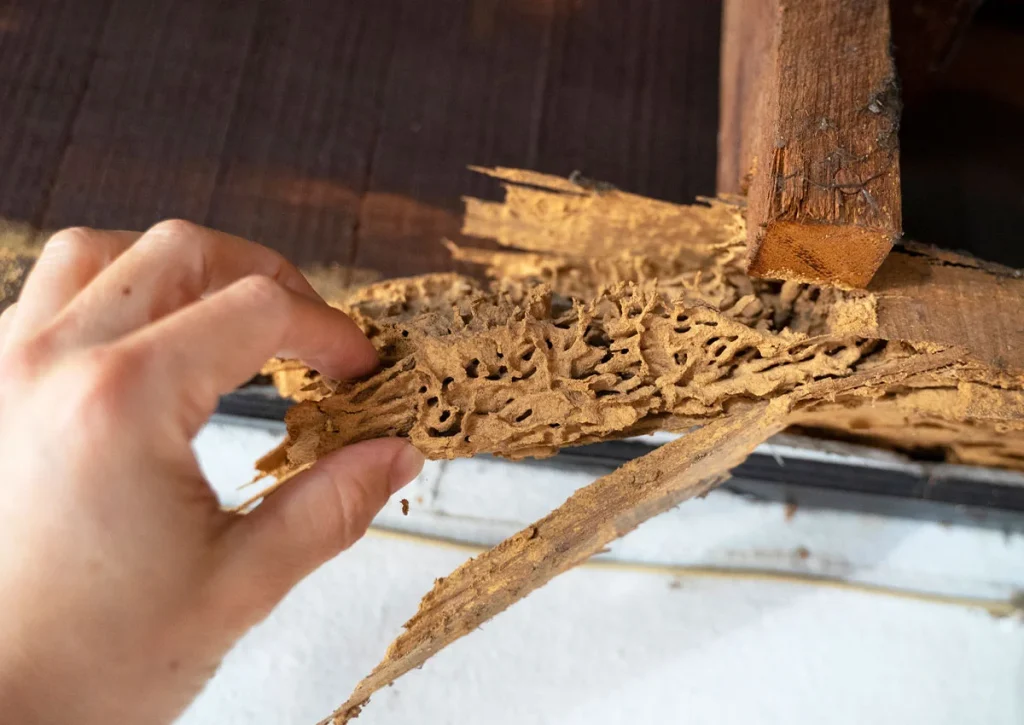
If you are not sure whether what you found is termite damage, our guides to signs of termites and termite damage and termite damage vs. wood rot walk through the clues.
How Red Mountain Pest & Termite Approaches Termite Protection
We do not sell new liquid termite treatments. For new customers, our termite protection is built on Sentricon® termite baiting. We still service existing liquid termite renewal customers while we convert them to Sentricon. It starts with a thorough termite inspection of the crawl space, sill plates, foundation walls, and any wood that meets soil, so we know whether termites are active and where the stations should go. Stations are set in the soil around the foundation, sit flush with the ground, and require no trenching or drilling into the foundation. Because the bait in each station stays active year-round, termites can feed whenever they reach a station, and a yearly visit checks every station and refreshes the bait.
Ongoing coverage runs through Termite Guard, which includes the Termite Bond, an annual inspection, and Sentricon management. If you would rather have termites and everyday pests on one plan, the 365 Bundle combines them. You can compare options on our service plans page or read more about our termite control. We do not perform termite damage repairs; if repairs are needed, we will point you toward a contractor.
Whether you live in Mountain Brook, Homewood, Vestavia Hills, or elsewhere around Birmingham, if you are comparing termite options or have found something suspicious, call Red Mountain Pest & Termite at 205-637-3260 or request a free quote. Tell us what you are seeing, and we will help you understand your options.
Frequently Asked Questions
Is Sentricon better than liquid termite treatment?
It depends on the home. Baits like Sentricon are less intrusive and aim at the colony, with monitoring built into the service. Liquid treatments require precise trenching, and often rodding or drilling, plus a large volume of termiticide, and product labels typically call for retreatment every 5 to 10 years. Red Mountain does not sell new liquid treatments; we sell only Sentricon to new customers. We still service existing liquid termite renewal customers while we convert them to Sentricon. An inspection is the best place to start.
Is liquid termite treatment effective?
Registered liquid termiticides must show they can protect a structure. Results depend on the product, the label, and precise application of a large volume of termiticide; gaps in the treated zone can leave a way in. Product labels typically call for retreatment every 5 to 10 years.
How long do termite baits take to work?
Baits are slow-acting on purpose. Termites have to find the stations, feed, and share the bait through the colony, so the result is not instant. Timing varies from home to home.
Do bait stations need maintenance?
Yes. Stations are inspected and serviced for as long as the program continues. Extension describes monthly or quarterly checks for some systems; stations that keep active bait in place all the time, like the Sentricon stations we service, are checked on a yearly schedule.
Will termite treatment fix damaged wood?
No. Treatment targets termites, not the damage they leave behind. Repairs are a job for a contractor, and Red Mountain does not perform them.
Can I treat termites myself?
Extension advises leaving termite treatment to certified professionals, except perhaps for a small wooden object not attached to the house, like a mailbox.