

A line of ants by the kitchen sink, a mosquito that follows you onto the porch, or a scratching sound above the bedroom can all raise the same question: is this a passing visitor or something that needs attention? Around Greater Birmingham, the answer depends on what you found, where you found it, and whether it keeps happening.
Our humid climate and long warm season give many pests an extended opportunity to feed and reproduce. Shaded yards, crawl spaces, damp storage areas, and heated rooms also provide different kinds of shelter. A cold week may quiet the backyard without ending activity behind the refrigerator or inside a wall.
This guide to household pests in Birmingham is a starting point for recognizing common visitors through the year. It covers insects, plus spiders, ticks, mice, and rats that homeowners often group into the same conversation. It is not an encyclopedia of every bug in Alabama, and not everything outdoors needs treatment. Many insects are helpful pollinators or predators. The goal is to notice meaningful signs, avoid common mix-ups, and make a sensible next decision without assuming the worst.
How to Use This Guide
Start with the seasonal overview, then find the pest that sounds closest to what you are seeing. Each section explains useful identifying clues, likely hiding places, and what a sighting does not necessarily mean. Links lead to more detailed identification articles or the relevant service information when you need it.
Seasonal patterns are guides, not deadlines. Rainfall, temperature, landscaping, and conditions inside your home can shift activity. When possible, note the date, room, approximate size, and number of pests. A clear photo is more useful than a guess based only on a bite, noise, or common nickname.
A Year in a Birmingham-Area Home
Spring: New Activity Becomes Visible
Warm days and spring rain bring more ant trails and can make termite swarmers noticeable near windows or doors. Carpenter bees may begin visiting exposed wood, while paper wasps start small nests in sheltered spots. Check what changed around the house: a leaking hose connection, damp wood, or a door sweep that no longer meets the threshold. Winged insects indoors deserve identification rather than an automatic assumption that they are termites. Save a photo or specimen if you can do so safely, and leave suspected termite evidence undisturbed for an inspection.
Summer: Water, Shade, and Backyard Encounters
Mosquitoes become a familiar concern during warm, wet weather. Small containers can hold breeding water even when the lawn looks dry. Wasps and yellow jackets may become more noticeable around gathering areas, and fire ant mounds can put bare feet and curious pets at risk. Indoors, warm appliance spaces and steady moisture can support cockroaches. After storms, check sheltered areas from a safe distance and empty water from movable containers. Do not poke a mound or approach a busy nest to identify its occupants.
Fall: Shelter Matters More
As nights cool, mice and rats may take advantage of openings into garages, crawl spaces, and attics. Stored birdseed, pet food, and quiet boxes give them reasons to stay. Spiders and their webs can also become more noticeable as the season progresses. Fall is a useful time to review screens, weatherstripping, and clutter. As Alabama Extension’s cooler-weather guidance explains, household pest activity does not end with summer.
Winter: Indoor Problems Can Continue
Heated buildings let established German cockroaches, mice, and other indoor pests remain active. Silverfish may still find humid hiding places in bathrooms or storage areas. Moving holiday boxes can reveal signs that went unnoticed for months. Fewer outdoor sightings do not prove that an indoor issue has disappeared. Keep checking familiar trouble spots and record fresh evidence rather than judging the whole home by what is happening outside.
Cockroaches: A Large Visitor or an Indoor Population?
Size and markings help separate common cockroach encounters. German cockroach adults are small, tan to light brown, with two dark stripes just behind the head. Repeated sightings near a dishwasher, refrigerator, or sink, especially alongside tiny young roaches, deserve attention. These insects can live and reproduce indoors rather than simply wandering through.
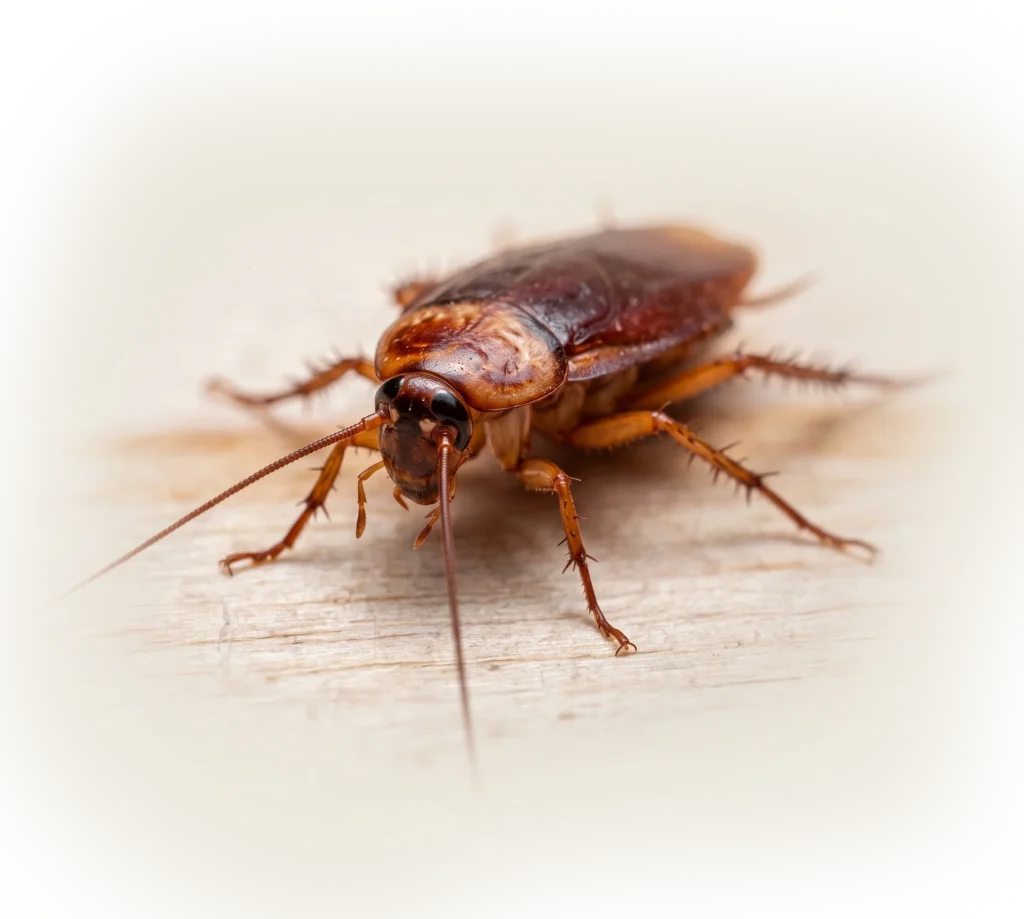
The large roaches often called palmetto bugs are different. An American cockroach is reddish brown with a lighter border behind the head; other large outdoor-associated species may also receive that nickname. They use moist, sheltered places and sometimes enter through doors, garages, or utility openings. One large roach after rain does not automatically mean the kitchen has a breeding infestation.
Look for a pattern: recurring insects, pepper-like droppings, or egg cases near hiding places. Clean food residue, keep pantry items closed, and note leaks. Finding roaches is not a judgment about your housekeeping; even a well-kept home can offer water, shelter, or a ride inside on belongings.
Our palmetto bug and German cockroach identification guide offers a closer comparison. If activity persists, the cockroach control page explains the service options without treating every roach sighting as the same problem.
Termites: Look for Evidence, Not Just Insects
Subterranean termites usually stay hidden between soil and wood. Homeowners are more likely to notice a narrow mud tube on a foundation, shed wings near a window, or wood with hidden galleries than a line of workers crossing the floor. Swarmers can appear during warm, humid weather, often following rain.
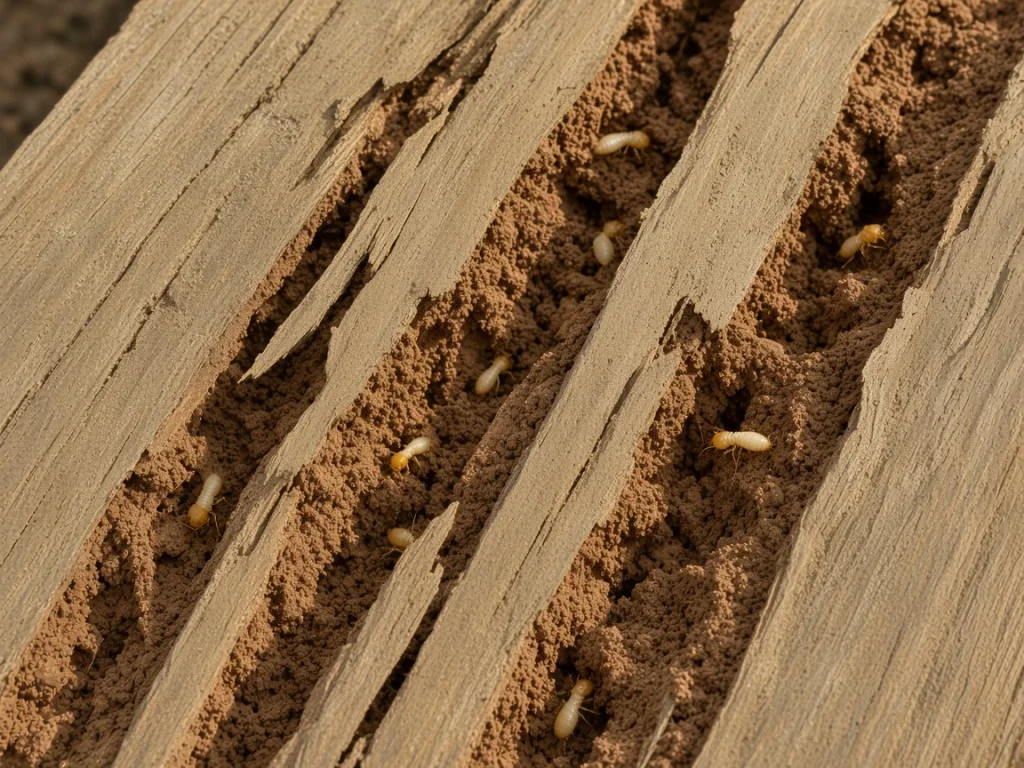
A swarm outdoors does not by itself prove that termites are feeding on your house. Swarmers emerging from inside a wall or floor, however, call for a closer inspection. Flying ants can look similar at a glance, so keep a specimen or clear photograph rather than deciding from wings alone.
Wood that sounds hollow, blistered surfaces, and small mud-sealed spots can be clues, but moisture damage and other building problems can resemble them. Old tubes or old damage also cannot tell you whether a colony is active today. Avoid pulling apart framing or crawling into an unsafe space to investigate.
See our guide to signs of termite damage for a fuller look at the evidence. Red Mountain offers termite inspections and explains available termite protection options separately. Questions about structural safety or repairs belong with a qualified contractor or structural professional.
Household Ants and Fire Ants: Different Places, Different Concerns
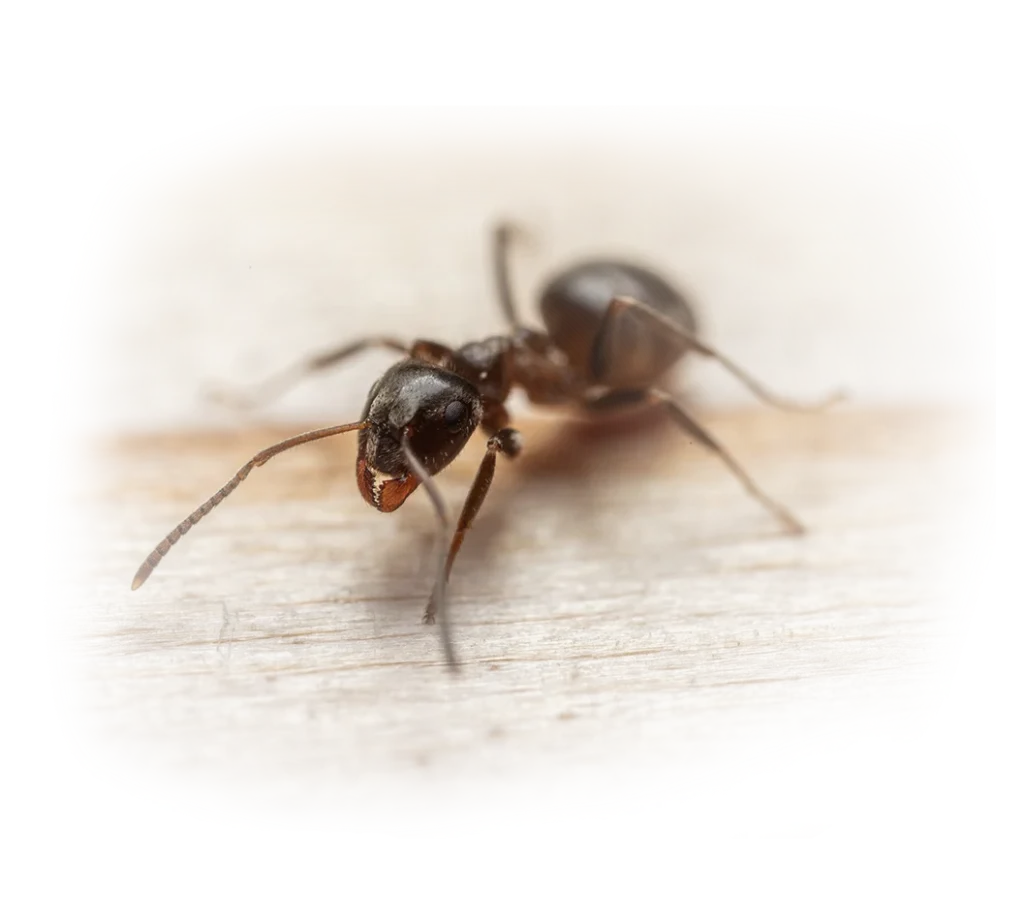
Indoor ants often reveal themselves as a returning trail near food, pet bowls, or moisture. Large carpenter ants may forage indoors or nest in damp wood; seeing one does not establish where the nest is. Repeated winged ants inside can indicate an established colony, including carpenter ants. We will cover flying ants versus termites in a separate article.
Fire ants need a different kind of attention. Their colonies often produce loose soil mounds in lawns or landscaped areas, sometimes more noticeable after rain. Workers can rush out when a mound is disturbed and deliver multiple stings. A mound near a walkway or play area is a reason to keep children and pets away, not to test it with a foot or stick.
Not every dirt pile is a fire ant mound, and a small visible mound does not show the colony’s full extent underground. Watch from a distance and note where activity occurs. Avoid pouring household chemicals or fuel into the soil, which creates hazards without providing a sensible solution.
Red Mountain treats household ants and fire ants. Our ant control information explains why identifying the species and locating the colony matter. That identification connects a kitchen trail or a yard mound to the appropriate next step.
Mosquitoes: Small Water Sources Make a Difference
A yard does not need a pond to support mosquitoes. Buckets, plant saucers, toys, folded tarps, and clogged gutters can hold enough standing water for some species to develop. Shaded vegetation provides places for adults to rest, which helps explain why one side of a yard may feel much worse than another.
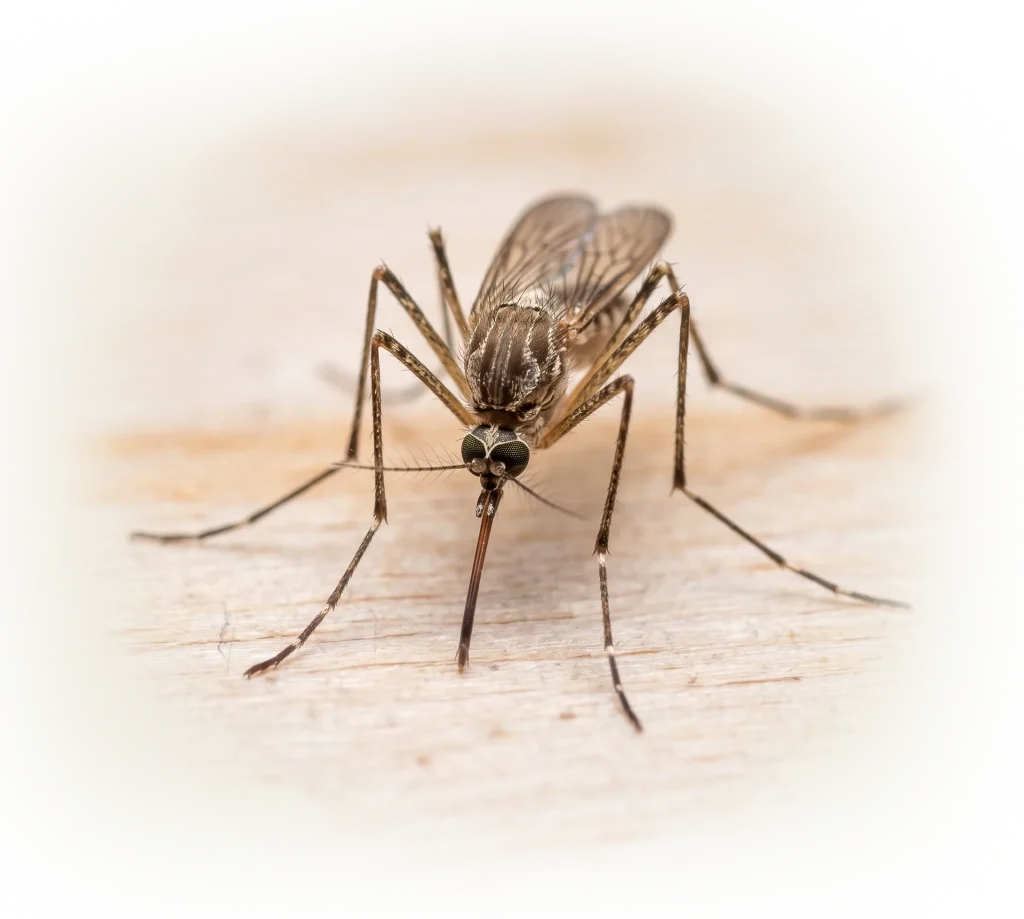
Mosquitoes are slender, long-legged flies, but not every delicate insect around a porch light is a mosquito. Larger look-alikes can cause unnecessary worry. Notice whether the insects are actually landing and biting, where the activity concentrates, and whether water has collected nearby. Different mosquito species are active at different times, so afternoon bites do not rule them out.
A few bites do not identify the breeding source or prove it is entirely on your property. Nearby water and neighboring habitat can contribute. Still, regularly emptying movable containers, maintaining screens, and addressing drainage with the appropriate professional reduce avoidable opportunities around the home.
Check containers again after rain rather than relying on one spring cleanup. For personal protection, use an EPA-registered repellent as its label directs. Red Mountain’s mosquito service page describes seasonal help for yards; this overview does not promise a mosquito-free property or replace sensible bite prevention.
Mice and Rats: Follow the Clues Beyond the Noise
Scratching after dark, gnawed packaging, small droppings, and shredded nesting material are common reasons homeowners suspect rodents. Mice often leave small, rice-like droppings, while rat droppings are generally larger. Those clues help, but a noise alone cannot identify the animal or tell you how many are present.
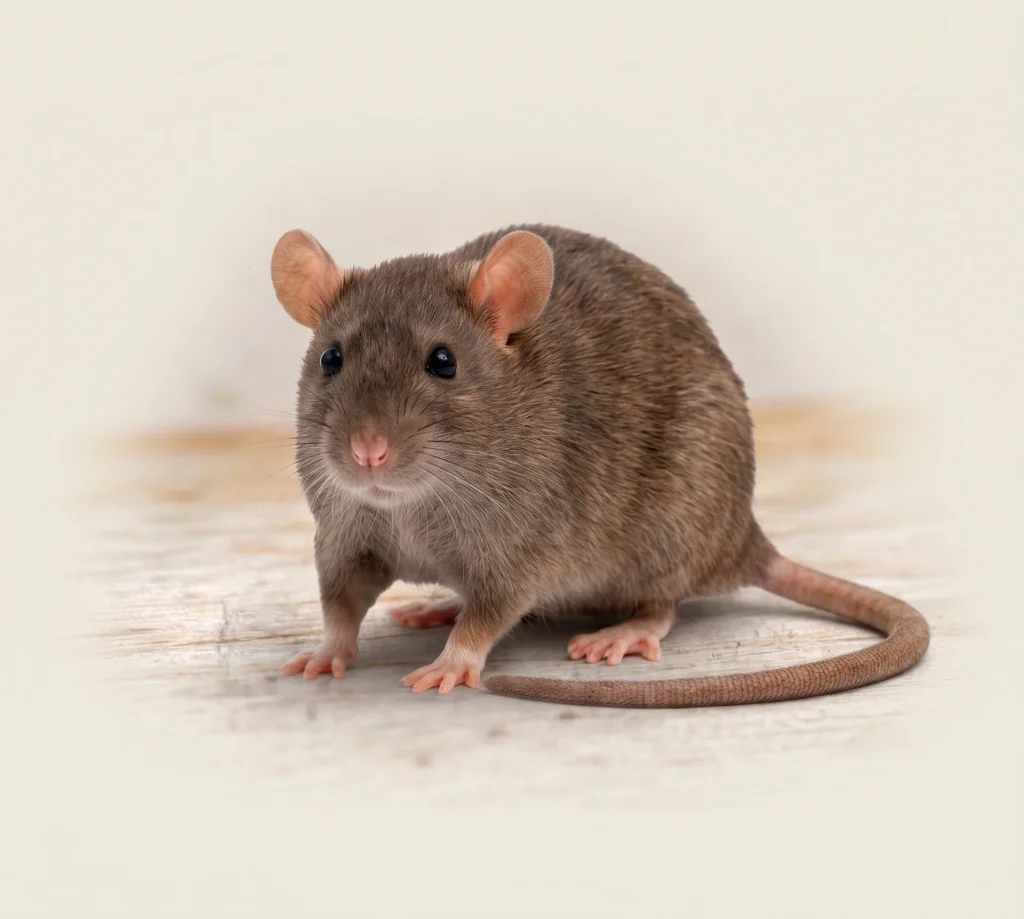
Mice can use cabinets, wall spaces, garages, and storage areas. Roof rats may travel through elevated spaces such as attics, while other rats use lower areas. Food does not need to be beside the nest: an accessible bag of seed in the garage can support activity elsewhere in the house.
Keep food and pet supplies in sturdy closed containers. Do not sweep or vacuum dry droppings, and avoid handling nests or animals with bare hands. Closing an opening without understanding whether animals remain inside can create another problem.
Our article on scratching in the attic or walls explains the clues and cleanup cautions in more detail. Red Mountain handles mice and rats through rodent services, with exclusion work addressing entry openings. Squirrels, raccoons, bats, and other wildlife belong with a wildlife specialist, not a mouse-and-rat treatment assumption.
Spiders: Identification Matters More Than Color
Spiders are predators, and many are simply following insects around porch lights, windows, or quiet corners. Some build webs; others hunt on foot. A wandering wolf spider can look imposing without being evidence of a dangerous infestation. One spider does not show that the whole home needs treatment.
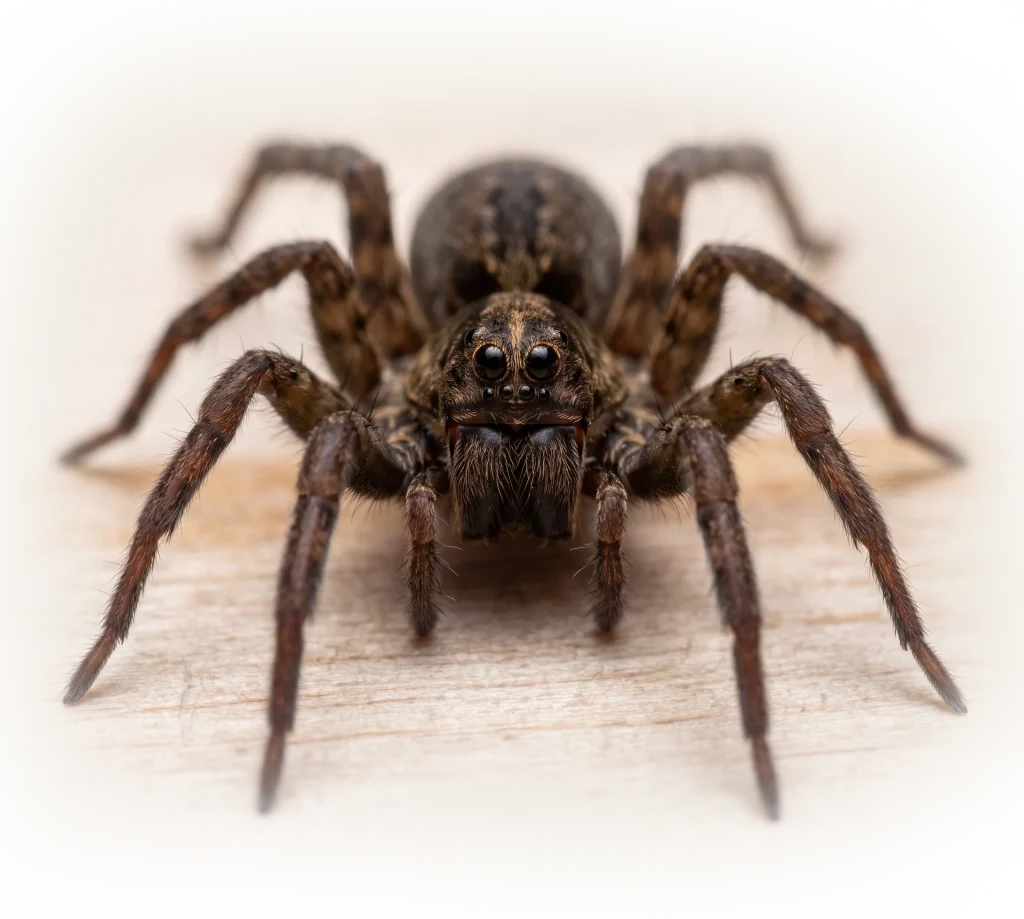
Watch instead for repeated indoor sightings, accumulating webs, egg sacs, or activity across several rooms. Cluttered storage and undisturbed corners offer shelter. Nearby insects may be part of the explanation, so noticing where prey gathers is often more helpful than repeatedly removing a single web.
Black widows and brown recluses occur in Alabama, but a dark spider or a brown spider is not enough for a reliable identification. Markings can be hard to see, and other species are easily mistaken for them. Do not handle a suspected bite-risk spider or move closer just to inspect a marking.
Wear gloves when moving stored items, avoid reaching blindly into hidden spaces, and photograph uncertain spiders only from a safe position. A skin lesion alone cannot identify a spider; seek medical advice for a suspected concerning bite. Our spider control page explains help with recurring activity and the conditions drawing spiders toward a home.
Stinging Insects: Learn the Nest Without Disturbing It
Paper wasps often build small, open, umbrella-like nests beneath eaves or railings. Yellow jackets may use underground cavities or wall voids, leaving only a busy entrance visible. Hornet nests can appear as larger enclosed paper structures in trees or on buildings. The nest’s location and shape can be more informative than the quick blur of a flying insect.
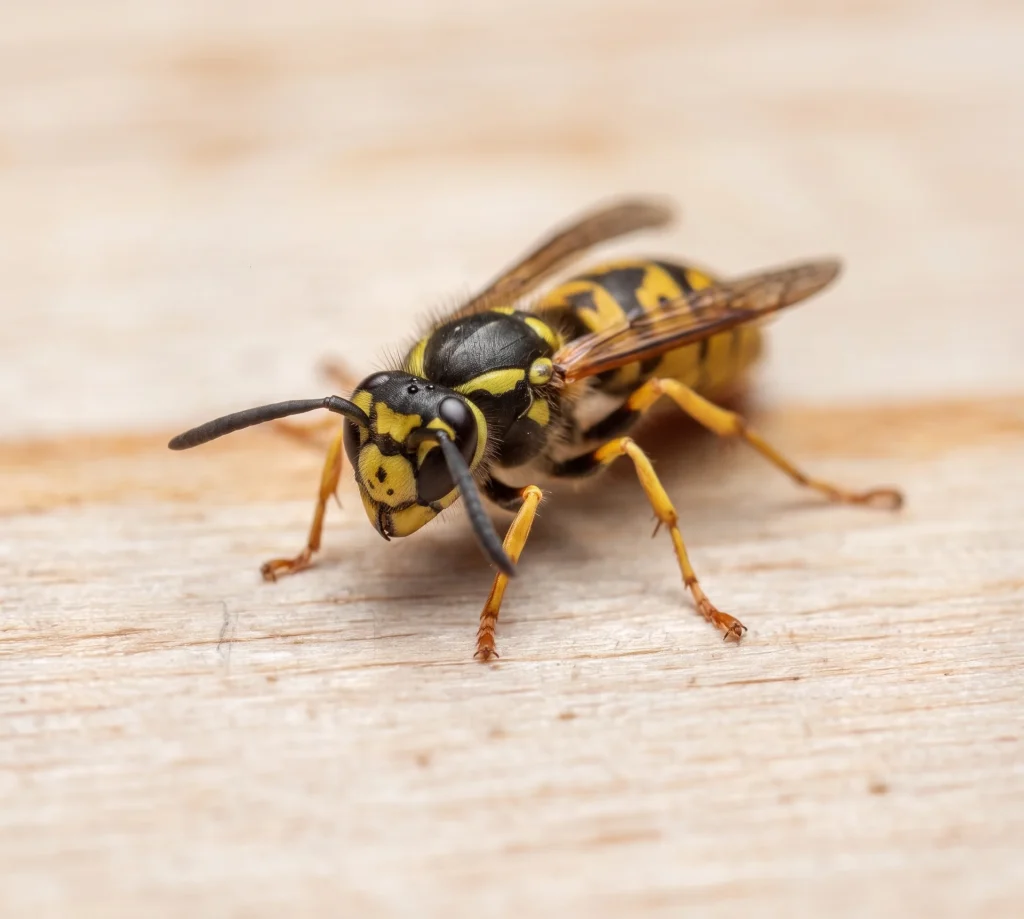
Carpenter bees are different again. They resemble bumble bees but typically have a smoother, shinier upper abdomen and bore round nesting holes into wood. Hovering near a deck or fascia can draw attention before the entrance hole is noticed. Their wood tunnels are not the same sign as termite galleries.
A wasp visiting flowers does not prove a nest is inside your house. Repeated traffic through the same opening, however, deserves caution. Keep people and pets away and avoid mowing, vibration, or ladder work near suspected colonies. Do not plug an active entrance or knock down a nest to see what happens.
Some stings can cause serious allergic reactions; breathing difficulty or a severe reaction needs emergency medical care. Red Mountain’s stinging insect information covers help with wasps, yellow jackets, hornets, and carpenter bees. Let identification guide the response rather than treating every bee-shaped insect alike.
Fleas and Ticks: Similar Encounters, Different Pests
Adult fleas are tiny, dark, wingless insects that jump. They may become noticeable around ankles, carpets, or places animals rest. Ticks crawl rather than jump or fly, and often reach people or pets from vegetation and brush. Their appearance changes with species, life stage, and feeding, so size alone is not enough to identify them.
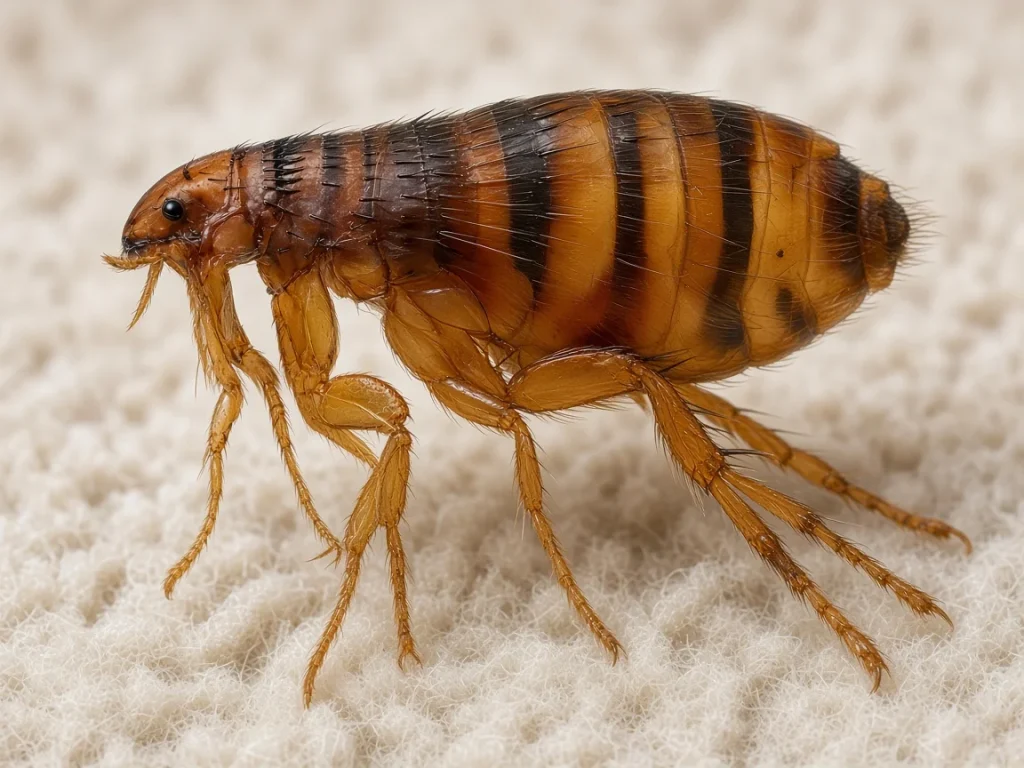
Pets can bring these pests close to the home, but the absence of a pet does not rule out fleas. Previous occupants, visiting animals, or animals nesting nearby can contribute. Flea stages developing in protected floor areas may become noticeable after people move into a previously quiet home.
Our article about fleas in homes without pets explores that situation. Repeated bites alone are not confirmation; look for actual insects and discuss persistent skin symptoms with a healthcare professional. Ask a veterinarian about appropriate protection for pets, and check people and pets after time in brushy areas.
Red Mountain offers a separate two-visit indoor flea service. Outdoor flea and tick treatment is an optional mosquito-service add-on, not automatically the answer to every indoor complaint. Matching the service to the evidence helps avoid overlooking a source inside or outside.
Bed Bugs: Physical Evidence Comes Before Conclusions
Adult bed bugs are flat, oval, and reddish brown, roughly the size of an apple seed before feeding. Young bed bugs are smaller and paler. They hide near resting places, including mattress seams, bed-frame joints, headboards, and upholstered furniture. They crawl and hitchhike on belongings rather than flying or jumping into a room.
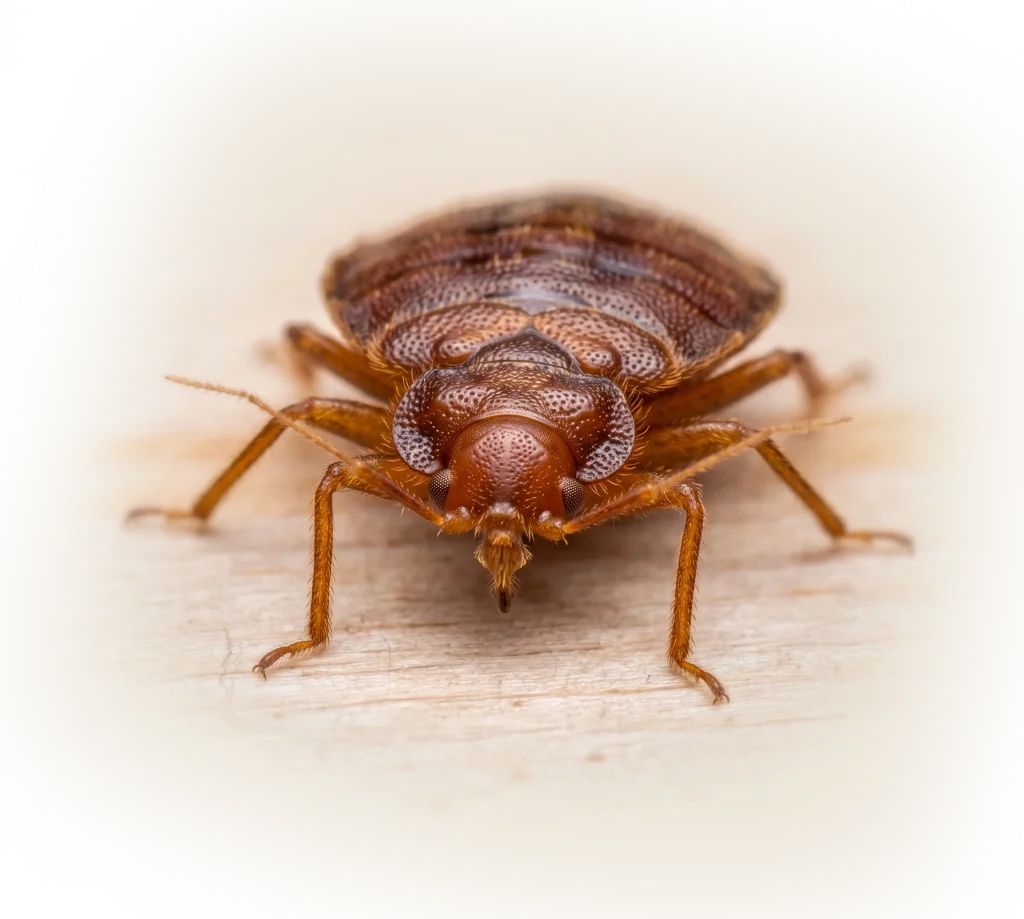
Look for live insects, shed skins, eggs, and dark spotting in those hiding places. Bites can raise concern, but they are not reliable proof: reactions vary, and several insects or skin conditions can produce similar symptoms. The EPA’s bed bug identification guidance emphasizes physical evidence rather than skin marks alone.
Bed bugs are not a sign that a household is dirty. Travel, used furniture, and other belongings can introduce them into well-kept homes. They are also not restricted to summer; an indoor problem can continue regardless of the calendar. Finding one suspect insect calls for identification, not immediately discarding a mattress.
Avoid moving bedding or furniture into other rooms while sorting out the evidence. Keep a specimen safely contained if possible and note where it was found. Red Mountain’s bed bug treatment page explains the next step; recommendations require looking at the home and the affected areas.
Silverfish: Fast-Moving Visitors in Damp, Dark Spaces
Silverfish are wingless insects with a tapered, carrot-shaped body, long antennae, and three threadlike tails. Their gray or silvery appearance and quick, darting movement can make them look like a small streak crossing the bathroom floor. They may become trapped in a sink or tub because they cannot easily climb the smooth sides.
Look beyond the fixture itself. Damp, dark, undisturbed places can provide shelter, including storage areas, closets, wall spaces, and basements. Finding one in the bathtub does not prove it came up through the drain. It may simply have fallen in while moving through the room.
Silverfish can feed on starches and materials such as paper, bookbinding glue, and wallpaper paste. Long-stored papers or fabrics can be damaged, particularly in humid conditions. One sighting does not mean your books are being destroyed, but recurring activity around stored belongings is worth checking.
Reduce clutter, protect important papers in closed containers, and have leaks or persistent humidity addressed. Extension guidance on silverfish explains why moisture management matters. Red Mountain does treat silverfish; our general pest team can help you discuss what you are seeing without assuming a particular treatment or coverage arrangement.
When a Sighting Deserves a Call
A single visitor near an open door is different from repeated activity in a cabinet. Frequency, location, and supporting evidence matter more than a fixed number of bugs. Young insects, egg cases, recurring trails, fresh droppings, or activity spreading into other rooms can indicate an established problem.
Some signs deserve attention without waiting for a pattern. Suspected termite evidence, a nest beside a doorway, or gnawing near wiring should not become a week-long experiment. Keep away from hazards and involve the appropriate professional. Pest identification does not replace medical care, electrical work, or an assessment of damaged framing.
Before calling, gather what you can safely:
- A clear photograph, with a size reference nearby when practical.
- The room or outdoor location, date, and approximate number seen.
- Whether activity follows rain, appears at night, or happens repeatedly.
- Any recent move, used furniture, leak, or change around the property.
Do not enter a tight crawl space, disturb a colony, or handle an unknown insect just to complete that list. Avoid layering different pesticides over an unidentified problem; always follow product labels. If you would like help sorting out the evidence, request a free quote and describe what you found. A quote is not a promise that every inspection or service is free.
Questions Homeowners Often Ask
Why do I notice more bugs after a rainy week?
Rain changes conditions rather than creating the same effect for every pest. Containers may collect mosquito-breeding water, wet outdoor shelter can shift where large roaches travel, and ant mounds may become easier to see. Note which insect appeared and where. The weather is context, not a diagnosis or proof that a colony is inside your home.
Can I identify a pest from the room where I found it?
The room helps narrow possibilities but cannot settle the question. Kitchens offer food and water; bathrooms and basements may provide moisture. Several pests use each of those spaces, and an occasional visitor can wander well beyond its usual hiding place. Combine location with size, markings, movement, and repeated sightings before choosing a response.
What makes a useful pest photograph?
Good lighting, a sharp image, and more than one angle help. Include the whole insect rather than only a blurry close-up. If safe, place a familiar size reference nearby without touching the pest. Photograph signs such as trails or spotting in context too. Never approach a stinging nest or handle a suspected dangerous spider for a better picture.
Does a clean home rule out an infestation?
No. Cleaning removes food and hiding places for some pests, but it cannot prevent every introduction or eliminate every moisture problem. Bed bugs can arrive on belongings, termites remain hidden, and rodents can enter through building gaps. Good housekeeping helps; pest activity is not a character judgment. Identification and conditions matter more than blame.
Should every insect in the garden be removed?
No. Many insects pollinate plants, eat other insects, or serve as food for birds. A garden sighting alone is not a household infestation. Focus on confirmed damage, repeated entry indoors, and safety concerns near places people use. Keeping useful outdoor insects in perspective makes it easier to concentrate on the problems that actually affect your home.
A Practical Next Step for Any Season
Knowing the common patterns makes an unexpected sighting easier to handle. Start with identification, look for supporting clues, and address simple conditions such as open food, standing water, or neglected storage. You do not have to know the species name before asking for help.
For homeowners who want ongoing support, Red Mountain offers year-round general pest coverage and 365 Bundle options. You can review the service plans separately and ask which coverage fits your home; not every pest in this guide is automatically included in a recurring plan. Mosquito service remains seasonal.
If something keeps returning, tell us what you are noticing. A few clear details can turn a worrying guess into a better-informed next step, whether that means monitoring a passing visitor or arranging a closer look.