
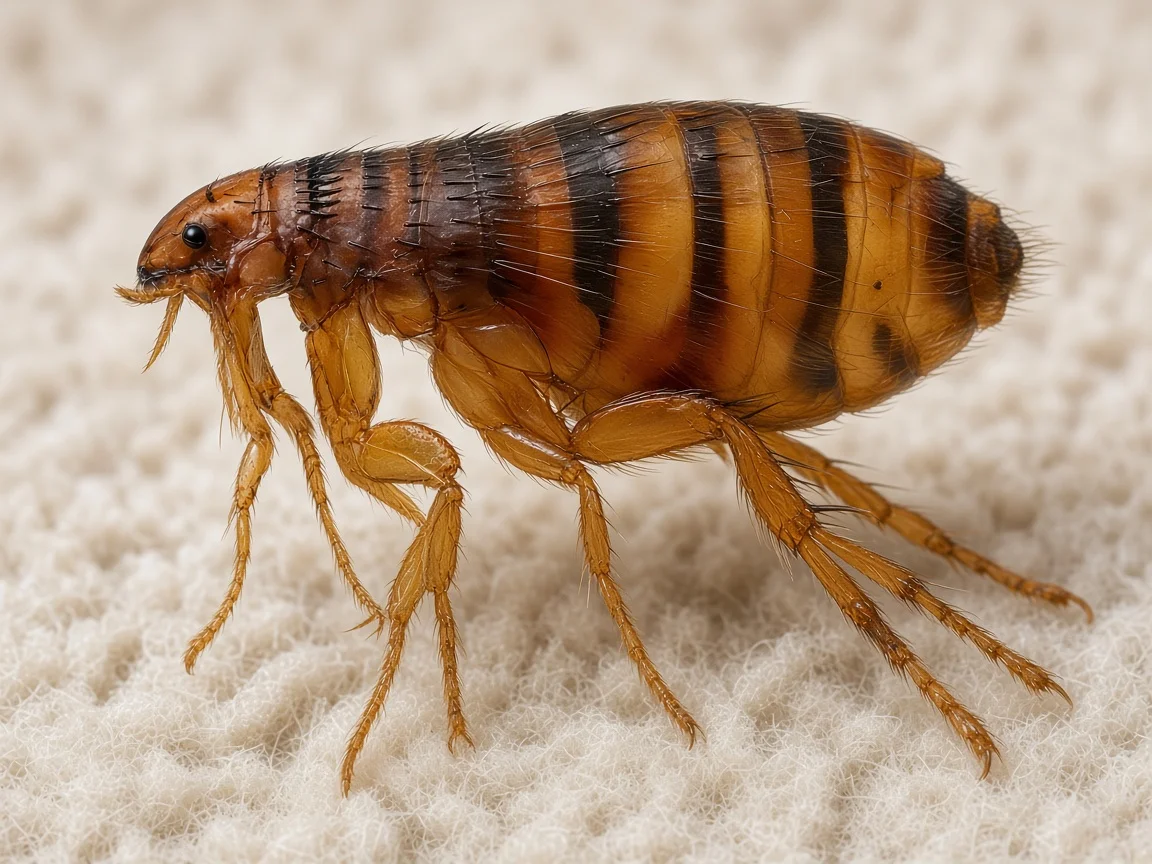
You do not have a dog or a cat—and still find itchy bites around your ankles, or tiny dark insects hopping in the carpet. That combination is confusing, but it is not rare. Fleas in a house with no pets can still show up after a move, from wildlife or rodents nesting nearby, or from fleas that hitchhiked indoors on clothing or belongings. This guide explains where they can come from and what to check next. It is educational, not a diagnosis of your specific home.
Why Fleas Can Appear When You Have No Pets
The cat flea (Ctenocephalides felis) is the species most often tied to homes in the United States. Despite the name, it feeds on cats, dogs, and other mammals—and will bite people when animal hosts are scarce. Extension guides note that adult fleas spend most of their time on a host, while eggs, larvae, and pupae develop off the animal in carpets, furniture, and protected floor areas. When pets leave or a home sits empty, those immature stages can still be waiting.
University of Kentucky Extension and other sources point out that fleas can infest a building even when no pets live there. The usual hidden sources are other animals that nest in, under, or around the structure—plus leftover cocoons that hatch when new people move in and walk across rooms.
Fleas After Moving Into a Home
A classic no-pet flea story starts with a vacant house or apartment. Flea pupae form silk cocoons that insecticides do not easily penetrate. Adults inside those cocoons can wait weeks or months for the right cue—heat, vibration, and carbon dioxide from someone walking past. When a family moves into a previously occupied home, those adults may emerge and jump onto ankles and pant legs even though no pet ever lived there with the new residents.
If you just moved and suddenly notice fleas with no animals, ask whether prior occupants had pets, whether the place sat empty, and whether carpets or upholstered furniture were left in place. Vacuuming thoroughly (then discarding the bag or emptying the canister outdoors) can remove many eggs and larvae and can also help stimulate remaining adults to emerge so they are easier to find and treat.
Wildlife and Rodents Near the Home
When fleas keep returning in a house with no pets, Extension sources often look beyond the living room. Raccoons, opossums, squirrels, skunks, feral cats, and similar animals that nest in attics, chimneys, crawl spaces, or under porches can support fleas that later wander into living areas. Roof rats and mice can also play a role around structures.
Red Mountain Pest & Termite handles mice and rats. We do not remove squirrels, raccoons, bats, or other wildlife. If you suspect a wildlife nest is feeding the flea problem, a licensed wildlife specialist should address that animal first; flea work alone often fails if the host animals stay in place.
Other Ways Fleas Hitch a Ride Indoors
- Clothing, shoes, or bags after visiting a home, kennel, or outdoor spot with flea activity
- Used furniture, rugs, or mattresses brought in from storage or a previous residence
- Visiting pets that stay only briefly but drop eggs into carpets before they leave
- Yard activity that brings adult fleas onto pant legs or into the garage, then indoors
Fleas jump rather than fly. University of Kentucky Extension notes adults can jump roughly six inches vertically—enough to reach shoes and lower pant legs when you walk through an infested spot outdoors or in a garage.
How to Tell You Are Dealing With Fleas
Adult fleas are small, dark, wingless, and flattened side to side so they move easily through fur and carpet fibers. People often notice bites first—itchy red spots, commonly on ankles and lower legs—especially when sitting or walking through carpeted rooms. Dark “pepper-like” flea dirt (dried blood feces) may show up where animals rest; in a no-pet home you may see fewer of those clues, so bites plus live hopping insects are the usual tip-offs.
Not every itchy bite is a flea. Mosquitoes, other insects, and skin conditions can look similar. If you are unsure what you are seeing, capture a specimen in a clear bag or on clear tape when you can do so safely, and note where and when bites happen. That information helps a technician or your doctor sort out the next step. This article is not medical advice.
What Is Happening in Carpets and Furniture
Understanding the life cycle explains why fleas keep coming back after a single spray. Females can lay dozens of eggs per day. Eggs fall into carpet, under furniture, and into cracks. Larvae feed mainly on adult flea feces in those protected spots. Pupae inside cocoons are the stubborn stage—hard to reach with products and able to wait for a host to arrive. That is why “fleas after moving in” and “fleas with no animals” often share the same biology: the immature stages were already there.
Extension guidance for indoor flea problems usually combines thorough vacuuming, washing washable fabrics in hot water when appropriate, and treating both the environment and any animal hosts that are present. In a no-pet home, the focus shifts to finding the source (leftover cocoons, visiting animals, wildlife or rodents nearby) and addressing the rooms where activity is concentrated.
Sensible First Steps at Home
- Vacuum carpets, rugs, baseboards, under furniture, and upholstered seating thoroughly; empty the canister or seal and discard the bag outdoors.
- Wash washable bedding, throw rugs, and cushion covers in hot water when the fabric allows, then dry on a hot setting if safe for the item.
- Check attics, crawl spaces, chimneys, and under-porch areas for signs of nesting animals—without disturbing wildlife yourself.
- Look for mouse or rat activity (droppings, gnawing, runways) and seal obvious gaps once animals are addressed.
- Be cautious with “bug bombs” and random sprays. Follow every product label, keep people and any visiting pets out as directed, and remember cocoons may protect fleas from incomplete treatments.
- If bites continue or live fleas return after cleanup, pause DIY escalation and get a professional assessment.
When to Call for Help
- Fleas or ankle bites continue after thorough vacuuming and laundry
- You just moved into a home and fleas appeared within days or weeks
- You suspect animals nesting in the attic, crawl space, chimney, or under the structure
- Activity spreads to more rooms, or guests and visiting pets are getting bitten
- You want someone to separate an indoor flea problem from a yard source
Red Mountain Pest & Termite can help once you are ready for a technician. Our flea and tick page covers outdoor flea and tick treatment as an optional add-on to seasonal mosquito service, aimed at yard harborage that often feeds indoor problems. For established fleas inside the home, we offer a separate indoor flea service listed at $295 for two visits—an initial treatment plus a follow-up about 7 to 10 days later—using an adulticide and an insect growth regulator aimed at eggs and larvae. If mice or rats are part of the picture, our rodent team can address that piece; wildlife belongs with a wildlife specialist. Year-round options are available through 365 Bundle plans when that fit makes sense.
If you would like someone to take a look, call Red Mountain Pest & Termite at 205-637-3260 or request a free quote. Tell us whether you have pets, whether you recently moved, and where you are seeing bites or live fleas—we will help with the next step without pressure.
Frequently Asked Questions
Can you get fleas in a house with no pets?
Yes. Extension sources describe fleas in homes without pets when prior pets left cocoons behind, when wildlife or rodents nest nearby, or when fleas hitchhike on people, belongings, or visiting animals. The absence of a resident pet does not rule fleas out.
Why do fleas show up after I move into a house?
Flea pupae can wait inside cocoons for weeks or months. Heat, vibration, and carbon dioxide from new occupants walking through rooms can trigger adults to emerge. That pattern is common in recently vacated homes, even when the new household has no pets.
Do fleas come from the yard if I have no pets?
They can. Adult fleas in shaded, moist outdoor spots may jump onto shoes or pant legs and ride indoors. Outdoor wildlife and stray animals can also keep yard populations going. Lasting relief often means treating both the indoor stages and outdoor sources when those are active.
Should I treat the house if I do not have pets?
If you are finding live fleas or repeated bites indoors, cleanup alone may not finish the job because of eggs, larvae, and protected pupae. Whether a professional indoor service, a yard treatment, rodent work, or a wildlife referral is the right next step depends on what is driving the activity. A technician can help sort that out.
Sources: University of Kentucky Extension — Flea Control and Prevention (ENTFACT-602); University of Maine Cooperative Extension — Fleas; CDC — About Fleas.